
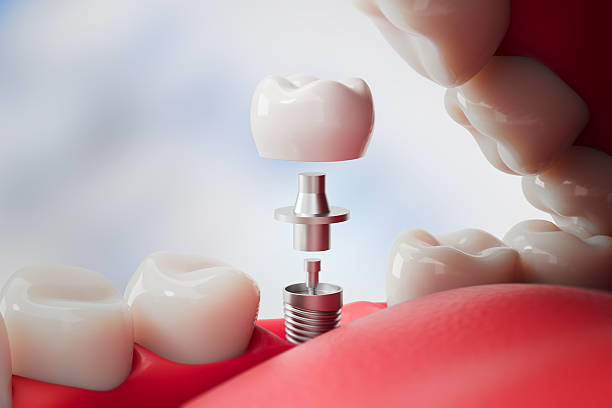
Bleeding around a dental implant can be a sign of inflammation in the surrounding gum tissue. One possible cause is peri-implant mucositis, which affects the soft tissue without the progressive bone loss seen in peri-implantitis. Peri-implantitis involves inflammation together with progressive loss of the bone that supports the implant. Because both conditions can cause bleeding, a periodontal examination is needed to tell them apart.
Dental implant bleeding may show up while you brush, clean between teeth, or during a checkup when the gum is gently probed. Timing matters too. Bleeding soon after implant surgery or a gum injury has different causes than bleeding around a long-established implant.
This guide explains what bleeding gums around implants can mean, how a periodontist tells mucositis from peri-implantitis, and when to seek care. At Shoreline Periodontics, patients with dental implants in Westerly, RI, can have bleeding evaluated by a periodontist.
Key Takeaways
- Bleeding around an established dental implant should not automatically be considered normal.
- Peri-implant mucositis causes inflammation without progressive supporting bone loss.
- Peri-implantitis involves inflammation and progressive supporting bone loss.
- Bleeding alone cannot distinguish these conditions.
- Early evaluation helps determine the cause and appropriate treatment.
Why Do Gums Bleed Around Dental Implants?
Bleeding gums around dental implants usually point to inflamed tissue, but the reason for that inflammation varies.
Plaque Biofilm Can Trigger Inflammation Around the Implant
Plaque biofilm is a sticky film of bacteria that builds up on teeth, implant crowns, and the gumline. When it stays in place, the body responds with inflammation in the peri-implant mucosa, the gum tissue that surrounds the implant. Inflamed tissue becomes more sensitive and fragile, so it bleeds more easily when touched. Inflammation can be present even when the area does not hurt.
Bleeding During Brushing or Flossing May Reveal Inflamed Tissue
Many patients first notice blood while brushing or flossing, because cleaning touches inflamed tissue directly. Inflammation-related bleeding tends to recur even with gentle cleaning, while bleeding from too much force usually follows a hard scrub or slip. In either case, keep cleaning gently instead of avoiding the area.
Implant Crown Shape and Difficult-to-Clean Areas Can Contribute to Inflammation
Some implant restorations are harder to clean than others. A crown with a bulky contour, or an emergence profile that flares out sharply where the crown meets the gum, can trap plaque. Areas beneath implant bridges can also be hard to reach with a brush or floss. When cleaning access is limited, plaque retention increases and inflammation becomes more likely.
Recent Implant Surgery Can Cause Bleeding for Different Reasons
Light oozing for a short time after implant surgery can be part of normal healing. This is different from new bleeding around an implant that has already healed and been in use. If bleeding after surgery is heavy, persistent, or keeps returning, discuss it with the clinician who treated you.
Local Irritation or Trauma May Cause Bleeding Without Establishing Peri-Implantitis
Brushing too hard, a slip with floss, or a small injury from food can irritate the gum and cause brief bleeding. This kind of bleeding usually has an obvious trigger. If bleeding persists or keeps returning without a clear cause, a clinical assessment is the next step.
In each of these situations, bleeding signals that something needs attention. On its own, it does not identify which problem is present.
What Is Peri-Implant Mucositis, and Why Does It Cause Bleeding?
Peri-Implant Mucositis Is Inflammation of the Soft Tissue Around an Implant
Peri-implant mucositis is soft-tissue inflammation limited to the gum around an implant. The current classification of peri-implant diseases describes it as inflammation without bone loss beyond the remodeling expected after placement.
Why Inflamed Peri-Implant Tissue Bleeds More Easily
Inflamed tissue has increased blood flow and a more fragile lining. As a result, it bleeds more easily during cleaning or gentle probing.
Common Signs of Peri-Implant Mucositis
Signs can be subtle, and some patients notice nothing at all. Common findings include these.
- Bleeding on gentle probing or cleaning
- Redness along the gumline
- Swelling of the gum tissue
- Tenderness in some cases
- Visible plaque around the implant crown
- Changes in how the gum looks or feels
Can Peri-Implant Mucositis Be Reversed?
Mucositis is generally considered reversible when its causes are effectively addressed. That usually involves professional plaque removal, better cleaning access, and home care instructions suited to your restoration. Some cases improve quickly. Others need more time, follow-up visits, or changes to the crown.
Can Peri-Implant Mucositis Progress to Peri-Implantitis?
Mucositis is considered the precursor to peri-implantitis, although progression does not happen in every patient. Persistent inflammation is the main concern. Controlling it and monitoring the implant at regular visits help catch changes in the supporting bone early.
What Is Peri-Implantitis, and How Is It Different From Mucositis?
Peri-Implantitis Affects Both the Soft Tissue and Supporting Bone
Peri-implantitis involves inflammation in the gum tissue together with progressive loss of the supporting bone. It affects implants that are already in function.
Why Peri-Implantitis Can Cause Bleeding and Swelling
The inflammation can cause bleeding on probing, swelling, and sometimes pus. Bleeding alone, however, does not show how much bone has been lost.
Why Progressive Bone Loss Is the Key Diagnostic Difference
Some bone remodeling around an implant is expected after placement and initial loading. Peri-implantitis is different because the bone loss continues beyond that early change. Clinicians identify it by comparing current X-rays and probing findings with earlier records. No single measurement settles the diagnosis.
Can Peri-Implantitis Develop Without Significant Pain?
Yes. Peri-implantitis often causes little or no pain, especially in its earlier stages. The absence of pain does not mean the tissue is healthy or that the bone is stable.
Does Peri-Implantitis Mean the Dental Implant Is Failing?
Not necessarily. Peri-implantitis can threaten an implant’s long-term prognosis, but the diagnosis does not automatically mean the implant has failed. An implant may remain stable while the disease is treated and monitored.
Our guide on whether a failing dental implant can be saved explains how periodontists make that decision.
Peri-Implant Mucositis vs. Peri-Implantitis: What Is the Difference?
| Clinical feature | Peri-implant mucositis | Peri-implantitis |
| Soft-tissue inflammation | Present | Present |
| Bleeding on probing | Common | Common |
| Redness or swelling | May occur | May occur |
| Progressive supporting bone loss | Not characteristic | Defining feature |
| Suppuration (pus) | Not typical | May occur |
| Implant mobility | Not a defining feature | May occur with advanced loss of integration |
| Treatment focus | Resolve inflammation and plaque buildup | Control disease and manage affected tissue and bone |
| Prognosis | Generally favorable with effective management | Depends on severity, defect characteristics, and response |
Both Conditions Can Cause Bleeding Around a Dental Implant
Both mucositis and peri-implantitis involve inflamed gum tissue, and both can cause bleeding. Bleeding alone cannot tell them apart.
The Supporting Bone Helps Determine Which Condition Is Present
The supporting bone is what separates the two. When X-rays show progressive bone loss compared with earlier images, the diagnosis shifts from mucositis toward peri-implantitis. That said, not every change in bone level proves peri-implantitis. Expected remodeling after placement and the implant’s history both matter.
Treatment and Long-Term Prognosis Are Different
Mucositis is generally reversible once the inflammation is controlled. Peri-implantitis may involve tissue loss that is harder to manage, and its outlook depends on severity and response to treatment.
Is Bleeding Around a Dental Implant Always a Sign of Infection?
No. Bleeding is a sign of inflammation, but it does not automatically mean an infection.
Inflammation Does Not Always Mean Advanced Infection or Bone Loss
Bleeding is a clinical sign, not a diagnosis. Implant inflammation can stay limited to the soft tissue and is often reversible at that stage. Peri-implantitis is diagnosed only when progressive bone loss is also present.
Bleeding May Occur Without Peri-Implantitis
Peri-implant bleeding can come from mucositis, minor trauma such as brushing too hard, or normal healing after recent surgery. None of these involves bone loss.
Why Persistent Bleeding Still Deserves Evaluation
Bleeding gums around an implant should not be dismissed when the bleeding keeps returning. Recurring bleeding often reflects ongoing inflammation, which is what allows peri-implant disease to develop. Patients often look up dental implant infection symptoms at this point, but only an exam can show what is happening.
Why Does My Dental Implant Bleed When I Brush or Floss?
Bleeding during cleaning is one of the most common ways patients first notice a problem.
Bleeding During Brushing May Be a Sign of Plaque-Related Inflammation
Plaque that builds up along the gumline and the edge of the crown keeps the nearby tissue inflamed. Brushing then disturbs that tissue, and it bleeds.
Bleeding When Flossing May Reflect Tissue Inflammation or Cleaning Trauma
Flossing can reveal inflamed tissue between the implant and neighboring teeth. It can also cause bleeding if the floss snaps into the gum. The restoration’s design matters, since some crowns and bridges need floss threaders, interdental brushes, or other specific tools. No single flossing method suits every implant restoration.
Should You Stop Cleaning Around a Bleeding Dental Implant?
No, not automatically. Stopping lets plaque build up, which can make inflammation worse. Use a gentle technique, and ask your periodontist or hygienist which tools suit your restoration.
When Bleeding During Cleaning Needs a Periodontal Examination
Schedule an exam if bleeding keeps returning or gets worse. The same applies if you notice swelling, pus, discomfort, or any change in how the implant crown looks or feels.
What Does Bleeding on Probing Mean Around a Dental Implant?
What Is Bleeding on Probing?
During an exam, a clinician gently slides a thin, marked instrument called a periodontal probe between the gum and the implant. Bleeding on probing means the tissue bled in response. Clinicians record this at several points around the implant as part of periodontal charting.
Why Bleeding on Probing Suggests Inflammation but Does Not Confirm Bone Loss
Bleeding on probing is a key sign of mucosal inflammation around the implant. It cannot show what is happening to the bone. Clinicians interpret it alongside probing depths, X-rays, and the implant’s history.
Why Probe Pressure and Tissue Conditions Matter
Probing pressure, tissue thickness, and recent treatment can all affect whether a site bleeds. One isolated bleeding point does not establish disease.
How Bleeding Patterns Are Monitored Over Time
Comparing findings across maintenance visits gives a more reliable picture. A site that bleeds repeatedly carries more weight than one that bled once.
How Does a Periodontist Diagnose Mucositis or Peri-Implantitis?
A periodontist combines several findings instead of relying on bleeding alone. Periodontists specialize in the gums and bone around teeth and implants, which makes them well suited to interpret these findings together.
Examining the Gum Tissue Around the Dental Implant
The exam starts with the gum itself. The periodontist looks for redness, swelling, recession, plaque, and other visible changes.
Measuring Peri-Implant Probing Depths
Probing measures the depth of the space between the gum and the implant. Changes in depth over time often matter more than a single reading.
Checking for Bleeding and Suppuration
The periodontist notes whether the tissue bleeds and checks for suppuration, which is pus or drainage. Bleeding signals inflammation, while pus suggests a more active process that can be associated with infection. Suppuration warrants closer evaluation.
Comparing Dental X-Rays to Assess Supporting Bone Levels
Dental X-rays show the bone level around the implant. Comparing them with earlier images, ideally from when the implant was restored, reveals whether bone loss is progressing. This comparison most clearly separates mucositis from peri-implantitis.
Evaluating the Implant Crown, Abutment, and Cleaning Access
The crown and abutment are checked for shapes or edges that trap plaque. The periodontist also considers how easily you can clean the area at home.
Reviewing Periodontal History and Individual Risk Factors
Your history adds context. Relevant factors include previous periodontitis, smoking, diabetes and blood sugar control, home care habits, maintenance history, and past implant problems. These raise or lower risk but do not establish a diagnosis on their own.
When Additional Imaging or Specialist Assessment May Be Necessary
Most cases can be assessed with a clinical exam and standard X-rays. A CBCT scan or other tests may be used selectively when those do not provide enough information.
Can Bleeding Around a Dental Implant Mean Bone Loss?
Bleeding may accompany bone loss around an implant, but it cannot establish bone loss on its own.
Why Bone Loss May Occur With Peri-Implantitis
When inflammation around an implant persists, the disease process can extend into the supporting bone. Over time, this can break down the bone that holds the implant, which is how peri-implantitis develops. Our article on bone loss around a dental implant explains how this process progresses.
Why Gum Bleeding and Bone Loss Are Not the Same Finding
Bleeding comes from inflamed soft tissue. Bone loss is a change in the hard tissue beneath it. One can be present without the other.
How Radiographs Help Identify Changes in Bone Support
Confirming bone loss requires X-rays. Comparing current images with baseline X-rays, ideally taken when the implant was restored, shows whether the bone level has changed.
Can an Implant Remain Stable Even When Some Bone Loss Is Present?
Yes. An implant can feel completely solid while some supporting bone has been lost. Stability and bone loss are related but separate findings. A stable implant is not necessarily free of disease, which is why regular exams matter even when nothing feels wrong.
What Other Symptoms Can Occur Alongside Implant Bleeding?
Bleeding sometimes appears with other changes. Each has its own possible causes.
Swollen or Red Gums Around the Implant
Swelling and redness reflect soft-tissue inflammation. Our guide to swollen gums around an implant covers the common causes in more detail.
Pus or Drainage Around the Implant
Pus or drainage warrants prompt assessment because it can be associated with infection.
Bad Taste or Persistent Odor Around an Implant
A bad taste or odor may come from trapped plaque, inflammation, or drainage. It does not automatically mean infection.
Gum Recession or Visible Implant Components
Recession can occur alongside inflammation, but it is not the same as peri-implantitis. It can also have anatomical or restorative causes.
Pain or Discomfort When Chewing
Pain is nonspecific and may have inflammatory or mechanical causes.
A Loose Implant Crown or Implant Fixture
A loose crown or screw differs from movement of the implant itself. A loose part can often be tightened or replaced, while true implant movement can signal lost integration. Any new movement should be checked promptly.
How Is Bleeding Caused by Peri-Implant Mucositis Treated?
Mucositis treatment focuses on removing the cause of inflammation. Professional plaque removal and improved home care come first. Antibiotics and antiseptic rinses are not a universal treatment for mucositis. Any medication should be based on your periodontist’s assessment.
Removing Plaque and Biofilm Around the Implant
Professional cleaning removes plaque and hardened deposits from the implant and crown. Clinicians use instruments suited to implant surfaces and restorations to avoid scratching them.
Improving Daily Cleaning Around the Implant Crown
Your periodontist or hygienist will show you brushing and interdental cleaning methods that fit your restoration. Tools may include interdental brushes, floss threaders, or a water flosser.
Correcting Plaque-Retentive Areas When Necessary
Some crowns have contours or edges that trap plaque or limit cleaning access. These areas may need assessment, and in some cases the restoration can be adjusted.
Reassessing Bleeding and Tissue Health After Treatment
A follow-up visit checks whether bleeding has decreased and the tissue has settled. If inflammation remains, the plan can be adjusted before the problem progresses.
How Is Bleeding Associated With Peri-Implantitis Treated?
Peri-implantitis treatment depends on how much tissue and bone are affected. Our overview of peri-implantitis treatment options explains each approach in detail.
Controlling Peri-Implant Inflammation and Plaque Biofilm
Treatment begins with professional removal of plaque biofilm from the implant surface. Controlling inflammation is the foundation for every later step.
When Surgical Treatment May Be Considered
If inflammation or deep pockets persist, surgery may be needed to reach and clean the affected area.
When Bone Defects May Be Evaluated for Regenerative Treatment
Some bone defects may be suitable for regenerative treatment. Case selection matters, since results depend on the shape of the defect and the response to earlier care.
When Implant Removal May Be Necessary
When disease is severe, or the prognosis is poor, removing the implant may become the better option.
Why Maintenance Remains Important After Peri-Implantitis Treatment
Peri-implantitis can return after treatment. Regular maintenance visits allow the periodontist to monitor the tissue and bone and catch recurrence early.
Can Bleeding Around a Dental Implant Stop Without Treatment?
Sometimes, but it depends on the cause.
Temporary Irritation May Resolve When the Cause Is Removed
Bleeding from minor irritation, such as brushing too hard or a small injury from food, may settle once the trigger is removed.
Plaque-Related Mucositis Requires Effective Inflammation Control
Mucositis is driven by plaque that stays in place around the implant. Waiting does not remove that plaque, so the inflammation usually continues until the cause is addressed.
Peri-Implantitis Should Not Be Expected to Resolve on Its Own
Peri-implantitis involves bone loss, and lost bone does not regrow on its own. Professional diagnosis and treatment are needed to control the disease and protect the remaining bone.
Why Disappearing Bleeding Does Not Always Prove the Implant Is Healthy
Bleeding can come and go. You may stop noticing it at home while inflammation continues below the gumline. Only a clinical exam can confirm whether the tissue has truly recovered.
How Quickly Should You See a Periodontist for a Bleeding Dental Implant?
The right timing depends on what else you notice.
Arrange an Examination for Recurrent or Unexplained Bleeding
Bleeding around an established implant deserves an exam, especially if it persists or keeps coming back.
Seek Prompt Care for Pus, Increasing Swelling, Pain, or Implant Movement
These signs can point to infection or a change in the implant’s stability. Contact a periodontist soon instead of waiting for your next routine visit.
Severe Symptoms Require Urgent Attention
Seek urgent medical or emergency care for rapidly spreading facial swelling or fever with a worsening oral infection. The same applies to difficulty swallowing or breathing, or bleeding that will not stop with gentle pressure.
Why Early Evaluation Can Preserve More Treatment Options
Finding inflammation before significant bone loss gives your periodontist more ways to manage it. Earlier care cannot guarantee a particular outcome, but it often keeps simpler options available.
How Can Patients Reduce the Risk of Bleeding and Inflammation Around Dental Implants?
Prevention focuses on keeping plaque under control and catching changes early.
Maintain Effective Daily Plaque Control
Clean around the implant every day using the tools your periodontist recommends for your restoration.
Keep Regular Periodontal and Implant Maintenance Appointments
Recall intervals should match your risk. Patients with a history of gum disease often need more frequent visits.
Make Sure the Implant Restoration Can Be Cleaned Properly
Crowns, bridges, and full-arch prostheses should allow access for cleaning. Problem areas can sometimes be adjusted.
Manage Periodontal Disease and Relevant Risk Factors
Not smoking, controlling blood sugar, and treating any gum disease all support healthier tissue around implants.
Report New Bleeding Before It Becomes a Persistent Problem
Mention new bleeding at your next visit or sooner, instead of trying to diagnose it yourself.
Can Full-Arch Dental Implants Develop Mucositis or Peri-Implantitis?
Yes. Each implant supporting a full-arch bridge can develop inflammation, just like a single implant.
Plaque Can Accumulate Around Full-Arch Implant Restorations
Plaque collects easily beneath full-arch bridges, where brushes and floss have trouble reaching.
Bleeding Around One Implant Support May Require Evaluation
Bleeding around one implant support still deserves evaluation, even if the rest of the arch seems healthy.
Maintenance of Full-Arch Restorations Requires Specialized Cleaning Access
Patients with full-arch dental implants in Westerly, RI, benefit from professional maintenance that reaches beneath the bridge. A prosthesis designed for cleaning access also helps.
Frequently Asked Questions About Bleeding Around Dental Implants
Is it normal for a dental implant to bleed when brushing?
Not once the implant has healed. Light bleeding can be part of normal healing for a short time after surgery. Bleeding around an established implant usually signals inflammation and should not be considered normal. If it continues or keeps returning, a periodontal exam can identify the cause.
Why does my implant bleed when I floss?
Usually because the gum tissue is inflamed. Plaque left between the implant and neighboring teeth irritates the tissue, so flossing makes it bleed. Bleeding can also come from snapping floss into the gum or using a tool that does not suit your restoration. If bleeding continues with gentle flossing, have the area examined.
Does bleeding around an implant mean infection?
Not necessarily. Bleeding is a sign of inflammation, not a definitive diagnosis. It can come from mucositis, minor trauma, or healing after recent surgery. Infection becomes more likely when bleeding comes with pus, increased swelling, or pain. A periodontal exam is the most reliable way to identify the cause.
What is the difference between peri-implant mucositis and peri-implantitis?
The difference is progressive bone loss. Both conditions involve inflamed gum tissue and can cause bleeding. Peri-implant mucositis stays in the soft tissue and is generally reversible. Peri-implantitis also involves progressive loss of the supporting bone, confirmed by comparing X-rays over time. That bone loss makes it harder to manage.
Can peri-implant mucositis turn into peri-implantitis?
Yes, it can. Mucositis is considered the precursor to peri-implantitis, although not every case progresses. Persistent inflammation is the main risk. When it is left uncontrolled, the disease can extend into the supporting bone. Treating mucositis early and keeping regular maintenance visits help lower that risk and catch any change in bone levels.
Can peri-implant mucositis be reversed?
Generally, yes. Mucositis is considered reversible when its causes are addressed through professional plaque removal, better cleaning access, and consistent home care. Some cases improve quickly, while others need follow-up visits or changes to the restoration. Regular monitoring afterward helps confirm that the tissue has recovered and stays healthy.
Can peri-implantitis be cured?
Peri-implantitis can often be controlled, but it is better thought of as managed than cured. Treatment aims to stop the inflammation and protect the remaining bone. Lost bone may not fully return, and the disease can recur. Long-term maintenance and monitoring are part of successful care.
Can peri-implantitis occur without pain?
Yes. Peri-implantitis often causes little or no pain, especially early on. Some patients feel nothing while bone loss progresses around the implant. Bleeding, swelling, or pus may be the only noticeable signs, and sometimes there are none. That is why regular exams and X-rays matter even when the implant feels fine.
Does bleeding mean my dental implant is failing?
Not necessarily. Bleeding is a sign of inflammation, and an implant with inflamed tissue can remain stable and treatable. Bleeding is one of the early signs of dental implant failure, but on its own it does not mean the implant is failing. An exam that includes X-rays can show what is happening.
Can bleeding around an implant cause bone loss?
Bleeding itself does not cause bone loss. It is a sign of inflammation. When that inflammation persists, the disease process can extend into the supporting bone and lead to peri-implantitis. Treating the inflammation early helps protect the bone, which matters more than stopping the bleeding alone.
Should I stop flossing around a bleeding dental implant?
No, not automatically. Stopping lets plaque build up, which can make the inflammation worse. Keep cleaning gently with the floss or interdental tools suited to your restoration. Ask your periodontist or hygienist to check your technique and recommend the right tools. If bleeding continues despite gentle cleaning, schedule an exam.
Can antibiotics treat bleeding around dental implants?
Antibiotics are not routinely the first or only treatment. Bleeding usually comes from plaque biofilm, which must be physically removed from the implant and crown. Antibiotics may support treatment in selected cases of peri-implantitis, based on your periodontist’s assessment. They cannot replace professional cleaning or correction of the underlying cause.
How does a periodontist check for peri-implantitis?
A periodontist combines several findings. Gentle probing measures pocket depths and checks for bleeding or pus. The gum tissue is examined for signs of inflammation. X-rays are compared with earlier images to see whether bone loss is progressing. Your periodontal history and risk factors add context. No single finding confirms the diagnosis on its own.
Who should I see for bleeding around a dental implant in Westerly, RI?
A periodontist is well suited to evaluate bleeding around an implant. Periodontists specialize in the gums and bone that support teeth and implants, and they can distinguish mucositis from peri-implantitis. At Shoreline Periodontics in Westerly, RI, patients can schedule an evaluation of the tissue and bone around their implants.
Get Bleeding Around Your Dental Implant Evaluated in Westerly, RI
Bleeding around a dental implant can be an early sign of inflammation. Determining whether it is peri-implant mucositis, peri-implantitis, or another problem requires a professional examination.
At Shoreline Periodontics in Westerly, RI, patients can receive a periodontal evaluation of the tissue and bone around their implants. Identifying the cause of the bleeding helps determine whether professional cleaning, improved maintenance, treatment for peri-implant disease, or other care may be appropriate.
Noticing bleeding, swelling, or other changes around an implant? Schedule an evaluation with Shoreline Periodontics to understand what is causing it. We also have offices in New London, CT, and Middletown, CT.
