
What Is Primary Stability in Dental Implants and Why Does It Matter?

Primary stability is the initial mechanical fixation a dental implant achieves the moment it is placed into the jawbone. It comes from how firmly the implant engages the surrounding bone during surgery, not from any biological healing that hasn’t happened yet. Limiting excessive movement, or micromotion, during this early period matters, since bone needs a […]
Why Dental Implant Healing Time Is Different for Every Patient in Westerly, RI

Dental implant healing time varies because each implant site has different bone quality, anatomy, stability, surgical requirements, and biological healing conditions. Some implants can progress toward restoration relatively quickly, while others require additional healing after extraction, bone grafting, or more complex implant surgery. Implant healing isn’t one single event. Primary mechanical stability is present the […]
How Dental Implant Micromovement Can Affect Osseointegration in New London, CT

Dental implant micromovement refers to small movements between an implant and the surrounding bone during healing. A limited amount of microscopic movement may occur, but excessive or repeated motion can interfere with the formation of stable bone-to-implant contact and increase the risk of failed osseointegration. Implants depend on initial mechanical stability, called primary stability, from […]
What Does an ISQ Score Tell Us About Dental Implant Stability in Middletown, CT?

An Implant Stability Quotient (ISQ) is a numerical measurement used to assess how stable a dental implant is within the surrounding bone. It comes from a technique called resonance frequency analysis, and clinicians can use it to monitor stability from the day of placement through the healing period. A dental implant needs enough stability to […]
Why Healthy Keratinized Gum Tissue Matters Around Dental Implants in New London, CT
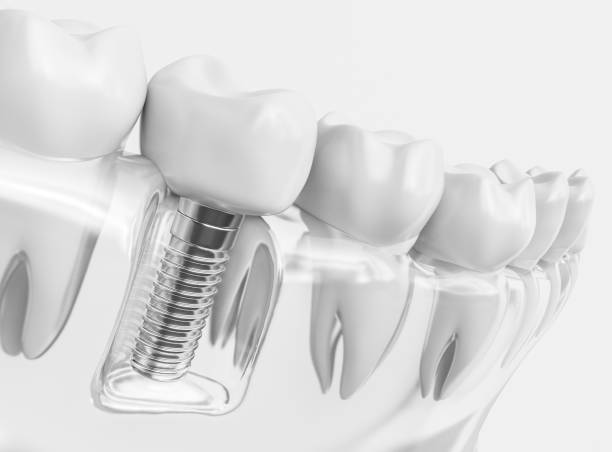
Keratinized gum tissue matters around dental implants because a stable, comfortable, cleansable soft-tissue environment can make it easier to maintain the implant and surrounding tissues over time. Dental implants do not sit only in bone. The implant restoration passes through a soft-tissue barrier called the peri-implant mucosa, and the quality of that tissue affects how […]
Fibrous Encapsulation Around a Dental Implant in New London, CT: Why It Happens and What It Means
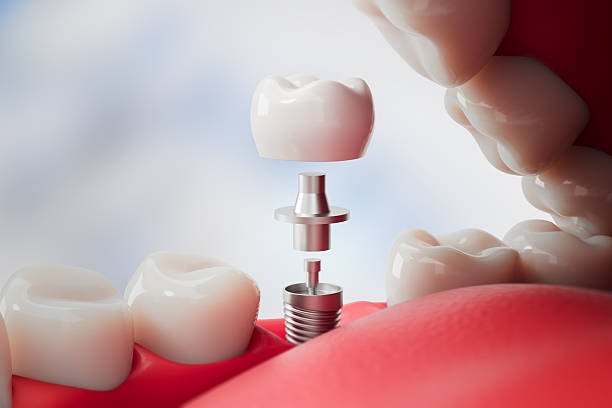
Fibrous encapsulation happens when connective tissue forms between a dental implant and the surrounding jawbone instead of the direct bone-to-implant contact that stable healing requires. Rather than fusing solidly with bone, the implant becomes surrounded by a layer of soft, fibrous tissue that cannot provide the same rigid support. Several factors can contribute to this […]
Bone Loss Around a Dental Implant in New London, CT: Signs, Causes, and Treatment Options

A small amount of bone remodeling is a normal part of healing after a dental implant is placed. Progressive bone loss that continues beyond this healing period is different. It is not considered a routine part of implant life, and it deserves a closer look. Bone loss around an implant can develop for more than […]
Why Does My Dental Implant Feel Loose? A Westerly Periodontist Explains

A dental implant that truly moves in the jawbone is not considered normal once healing is complete. If you feel movement, clicking, or rocking when you chew, the sensation is often coming from the crown, the screw, the abutment, or a connected bridge rather than the implant post itself. The cause can range from a […]
Why Would a Dental Implant Fail to Fuse? A Periodontist in New London, CT Explains

A dental implant fails to fuse with the jawbone when stable bone-to-implant contact never develops during healing. This can happen for several reasons: insufficient initial stability, excessive movement, infection, early bite pressure, poor bone quality, smoking, certain medical risk factors, or soft tissue forming around the implant instead of bone. Failed osseointegration is usually an […]
Swollen Gums Around a Dental Implant in Middletown, CT: Common Causes, Warning Signs, and When to See a Periodontist

Noticing swollen gums around a dental implant can be unsettling, and it’s natural to assume something has gone wrong. The good news is that swelling has several possible explanations, and most are manageable when caught early. Mild puffiness in the days after implant placement is usually a normal part of healing, while swelling that shows […]